
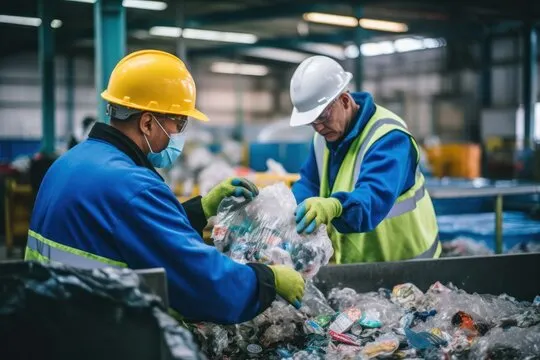
Singapore, one of the cleanest cities in the world, has become a global example of effective waste management. Over the years, the country has developed innovative waste solutions that not only ensure cleanliness but also aim to reduce environmental impact through recycling, waste-to-energy technologies, and sustainable waste collection services.
This case study delves into Singapore’s transformation in managing waste, the role of local waste management companies, and how these strategies have led to a more sustainable and eco-friendly city-state.
The Evolution of Waste Management in Singapore
Singapore’s waste management system has undergone a significant transformation over the past few decades. In the 1970s, the country faced rapid industrialization, leading to higher waste production. However, the National Environment Agency (NEA) and key waste management companies worked together to create a sustainable solution.
The country’s strategy is built on the following principles:
- Reduce, Reuse, Recycle: Singapore has long focused on reducing waste at the source, reusing materials, and promoting recycling to minimize environmental impact.
- Waste-to-Energy: To reduce landfill waste, Singapore turned to waste-to-energy plants, where non-recyclable waste is incinerated to generate electricity.
- Public Awareness: Through campaigns and community involvement, Singapore has educated its citizens on the importance of sustainable waste management practices.
Key Milestones in Singapore’s Waste Management Success
1. Integrated Waste Management System (IWMS)
In the early 1990s, Singapore introduced the Integrated Waste Management System (IWMS), which combined waste collection, disposal, and recycling services. This holistic approach streamlined waste processing and allowed for a more organized waste management structure.
Under this system, waste is separated into recyclables, non-recyclables, and hazardous waste at the source. Singaporeans are encouraged to use separate bins for different types of waste, making it easier for companies to recycle or incinerate the materials appropriately.
2. Waste-to-Energy Plants
One of the most important milestones in Singapore’s waste management success has been the development of waste-to-energy plants. These plants burn non-recyclable waste to produce electricity, significantly reducing the amount of waste that ends up in landfills.
The Tuas Nexus Waste-to-Energy Plant, one of the largest in Singapore, processes up to 3,600 tons of waste daily. It contributes to 40% of the country’s electricity supply, turning trash into a resource. This system has become a model for other cities looking to tackle waste while producing sustainable energy.
3. Zero Waste Master Plan
In 2019, Singapore launched the Zero Waste Master Plan to tackle the growing volume of waste. This ambitious plan includes specific targets, such as reducing waste sent to landfills by 30% by 2030. It focuses on extended producer responsibility, where manufacturers are held accountable for the waste their products generate. The plan also calls for resource recovery, with an emphasis on making recycling more accessible and efficient.
4. Smart Waste Solutions
In recent years, Singapore has also begun to incorporate smart waste solutions to enhance its waste management system. These innovations include:
- Smart bins that alert waste collection companies when they are full.
- Robotics and AI used to sort waste more efficiently.
- Data analytics to track waste patterns and improve recycling rates.
Role of Waste Management Companies in Singapore’s Success
Several waste management companies in Singapore have been key players in supporting the country’s sustainability goals. These companies provide essential services that contribute to recycling, waste-to-energy projects, and innovative waste solutions.
1. SembWaste
SembWaste, a subsidiary of Sembcorp Industries, is a leader in waste management in Singapore. They provide a comprehensive range of services, including residential waste collection, commercial waste management, recycling services, and waste-to-energy. Their waste-to-energy plants process over 3,000 tons of waste daily, turning it into electricity.
SembWaste’s role in Singapore’s waste management success is pivotal, as they help reduce the amount of waste sent to landfills, contributing to the country’s zero-waste goals.
2. Veolia Singapore
Veolia Singapore offers eco-friendly waste management solutions to businesses and households. Their services include waste collection, recycling, and industrial waste management. Veolia also provides sustainable energy solutions, including waste-to-energy and waste recycling programs that contribute to Singapore’s commitment to sustainability.
They focus on integrating circular economy principles into waste management, ensuring that materials are reused, and waste is reduced at every stage of the supply chain.
3. Wastigo
As a local waste management company, Wastigo is committed to supporting Singapore’s green initiatives. We offer garbage collection, junk removal, and recycling services to both residential and commercial customers. Wastigo helps individuals and businesses reduce waste and supports Singapore’s recycling goals.
We are proud to contribute to the country’s zero-waste vision by offering eco-friendly solutions that align with Singapore’s long-term sustainability goals.
Challenges Faced by Singapore in Waste Management
Despite its impressive track record, Singapore continues to face challenges in waste management:
- Waste Volume: The growing volume of waste produced by both residents and businesses continues to be a challenge.
- Recycling Rates: While Singapore has made significant progress in recycling, some materials are still being disposed of rather than recycled.
- Public Engagement: Although public awareness campaigns have been successful, Singapore is continuously working to encourage even more sustainable practices, especially in businesses.
Future of Waste Management in Singapore
Singapore continues to evolve its waste management strategies with an eye toward a zero-waste future. Upcoming projects include:
- New waste-to-energy plants to process even more waste sustainably.
- Expansion of the extended producer responsibility program to hold manufacturers accountable for the lifecycle of their products.
- Continued integration of smart technologies to streamline waste collection and improve recycling.
The country remains a leader in sustainability, proving that with the right systems, collaboration, and innovation, waste can be managed efficiently while preserving the environment.
Call to Action: Book a Waste Collection with Wastigo
If you’re in Singapore and need reliable, eco-friendly waste collection services, Wastigo is here to help. Whether it’s garbage collection, junk removal, or recycling services, we offer sustainable solutions to support Singapore’s journey to zero waste.