
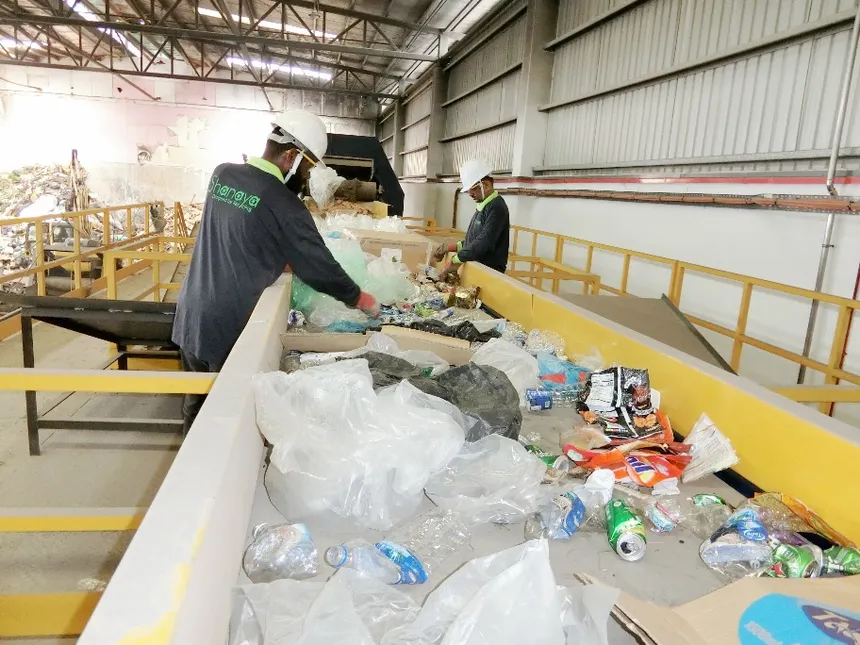
In Singapore, proper waste disposal is crucial to maintaining a clean and sustainable environment. With a growing population and industrial activities, waste management has become a key part of the country’s commitment to zero waste. To achieve this goal, Singapore has established clear disposable guidelines that everyone, from residents to businesses, must follow.
In this blog, we’ll walk you through these essential disposal guidelines and help you understand the best practices for recycling, garbage collection, and overall waste management in Singapore.
Why Proper Waste Disposal Matters in Singapore
Singapore’s population continues to grow, and so does the amount of waste it generates. The government has set an ambitious target to reduce the amount of waste sent to landfills by 30% by 2030 through sustainable waste management.
Proper disposal is important for several reasons:
- Environmental Impact: Incorrect disposal leads to pollution and reduces the effectiveness of recycling programs.
- Conservation of Resources: Effective disposal means more materials can be recycled and reused, conserving natural resources.
- Public Health: Improper waste disposal can lead to the spread of diseases and attract pests like rats and mosquitoes.
Adhering to Singapore’s disposable guidelines helps the nation move towards its zero-waste vision and ensures a cleaner, healthier living environment for everyone.
Key Disposable Guidelines for Singapore Residents
Singapore’s National Environment Agency (NEA) provides comprehensive guidelines for residents and businesses to ensure proper waste disposal. Below are the essential guidelines you should follow:
1. Segregate Your Waste
One of the cornerstones of Singapore’s waste management system is waste segregation. Waste should be separated into:
- Recyclables: Paper, plastic, glass, and metal containers should go into the recycling bins. Always rinse out containers before disposing of them.
- Non-Recyclables: Items that can’t be recycled (e.g., broken furniture, soiled paper, certain plastics) should be placed in regular trash bins.
- Food Waste: Singapore encourages residents to separate food waste from general waste. Use designated bins for food scraps to help reduce landfill waste.
- E-waste: Electronic waste, such as old phones, batteries, and computers, should be disposed of at dedicated e-waste recycling stations.
By segregating your waste properly, you help ensure that recyclable materials are processed efficiently, and non-recyclables are incinerated or disposed of in a more eco-friendly manner.
2. Proper Disposal of Hazardous Waste
Certain types of waste are hazardous and require special handling. These include:
- Batteries (especially lithium-ion batteries).
- Paints and chemicals.
- Fluorescent bulbs and light tubes.
- Old medicines.
These items should never be thrown into regular trash bins as they can harm the environment and public health. Instead, dispose of them at dedicated collection points for hazardous waste. Singapore has designated drop-off points for these materials in various locations.
3. Dispose of Bulky Items Responsibly
Bulky items such as old furniture, mattresses, or appliances should not be left on the streets or dumped in public areas. Instead, residents can:
- Schedule a junk removal service to collect these large items.
- Use public bulk item disposal services, which are available through many town councils.
These services ensure that bulky waste is either disposed of responsibly or recycled if possible. Wastigo, for example, offers junk removal services to help residents and businesses get rid of unwanted items in an eco-friendly way.
4. Make Use of Recycling Stations
Singapore has established a comprehensive network of recycling stations where residents can drop off their recyclables. These stations are located throughout the island and accept a wide range of recyclable materials.
Here’s how you can make use of them:
- Check for nearby stations: Use apps like “Recycle-NGO” or visit the NEA website to locate the nearest recycling station.
- Rinse and clean recyclables: This prevents contamination and makes it easier to recycle.
- Be mindful of contamination: Never place items like food scraps, plastic bags, or ceramics in recycling bins, as they can ruin entire batches of recyclable materials.
5. Adopt Waste Minimization Practices
While disposal is important, the best way to manage waste is to minimize it in the first place. Here are some tips:
- Reduce plastic use: Opt for reusable shopping bags and containers.
- Buy in bulk: This reduces packaging waste.
- Compost food scraps: If possible, composting can reduce food waste by turning it into nutrient-rich soil.
- Donate unused items: Before throwing things away, consider donating clothes, furniture, or electronics to charities.
The Role of Waste Management Companies
Waste management companies in Singapore play a key role in the country’s efforts to ensure proper disposal. These companies handle the collection, transportation, recycling, and disposal of various waste types.
Wastigo, for example, offers:
- Residential waste collection services for daily garbage and recycling.
- Junk removal services for large or bulky items.
- Specialized waste collection for e-waste and hazardous materials.
- Eco-friendly waste solutions for businesses aiming to reduce their carbon footprint.
By booking services with companies like Wastigo, you ensure that your waste is disposed of responsibly and sustainably.
Call to Action: Book a Waste Collection Service with Wastigo
If you’re unsure about how to properly dispose of your waste, Wastigo is here to help! Whether you need junk removal, recycling services, or general waste collection, we ensure your waste is managed in an environmentally friendly way.
👉 Book a Waste Collection with Wastigo Today
Let’s make Singapore cleaner and greener, one waste collection at a time!